Not more data. More effective improvements.
Five typical starting points from manufacturing – and what production.AI makes of them.
Five use cases
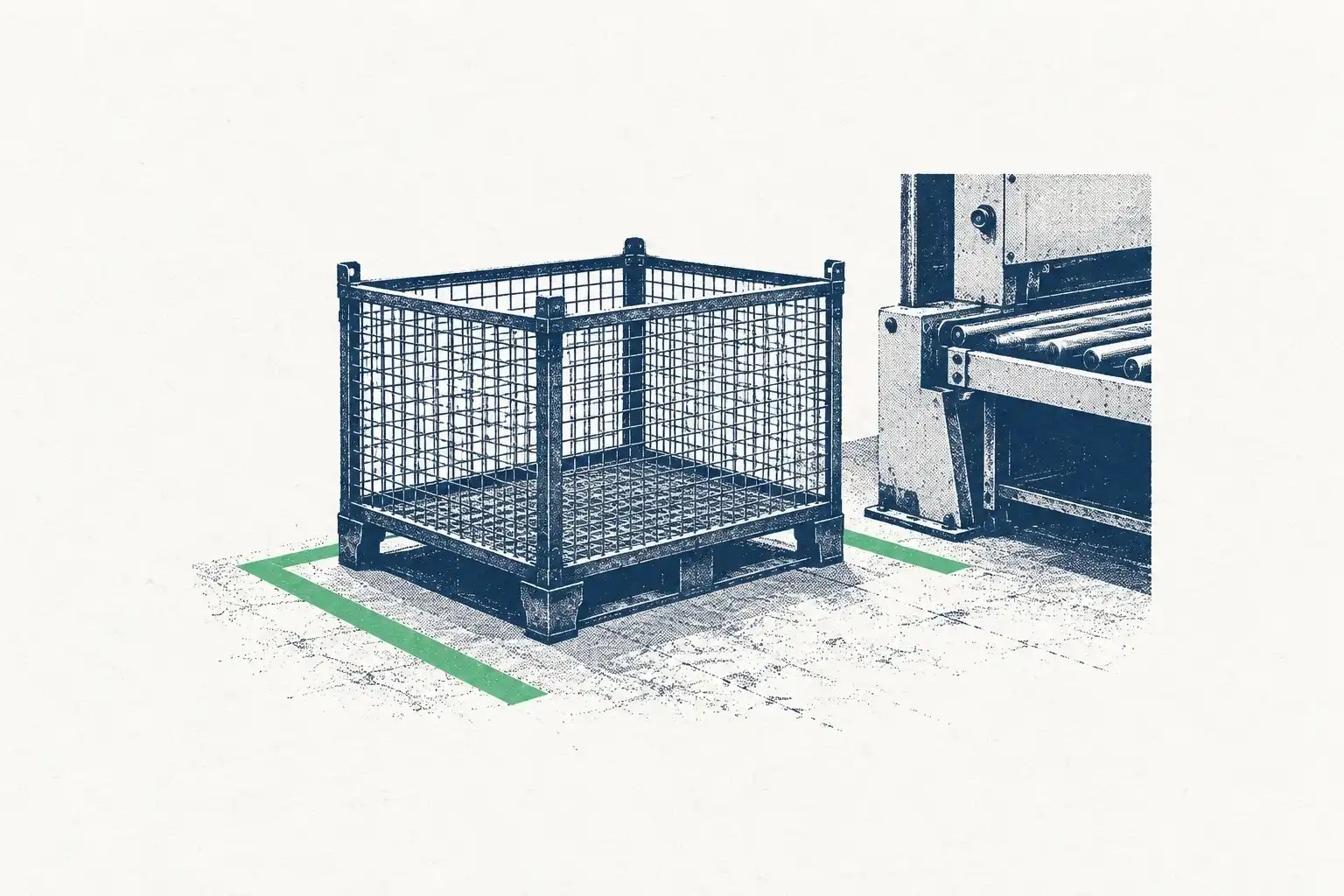
Where is productive machine time being lost – and why?
- Starting point
- Availability is below target, and the reasons for stoppages are only roughly recorded.
- Insight
- A large share of the downtime comes down to a few recurring causes on particular machines and in particular shifts.
- Action
- The team prioritises the top causes, names owners and sets up the actions in IDA.
- Benefit
- Less unplanned downtime, better use of the capacity you already have.
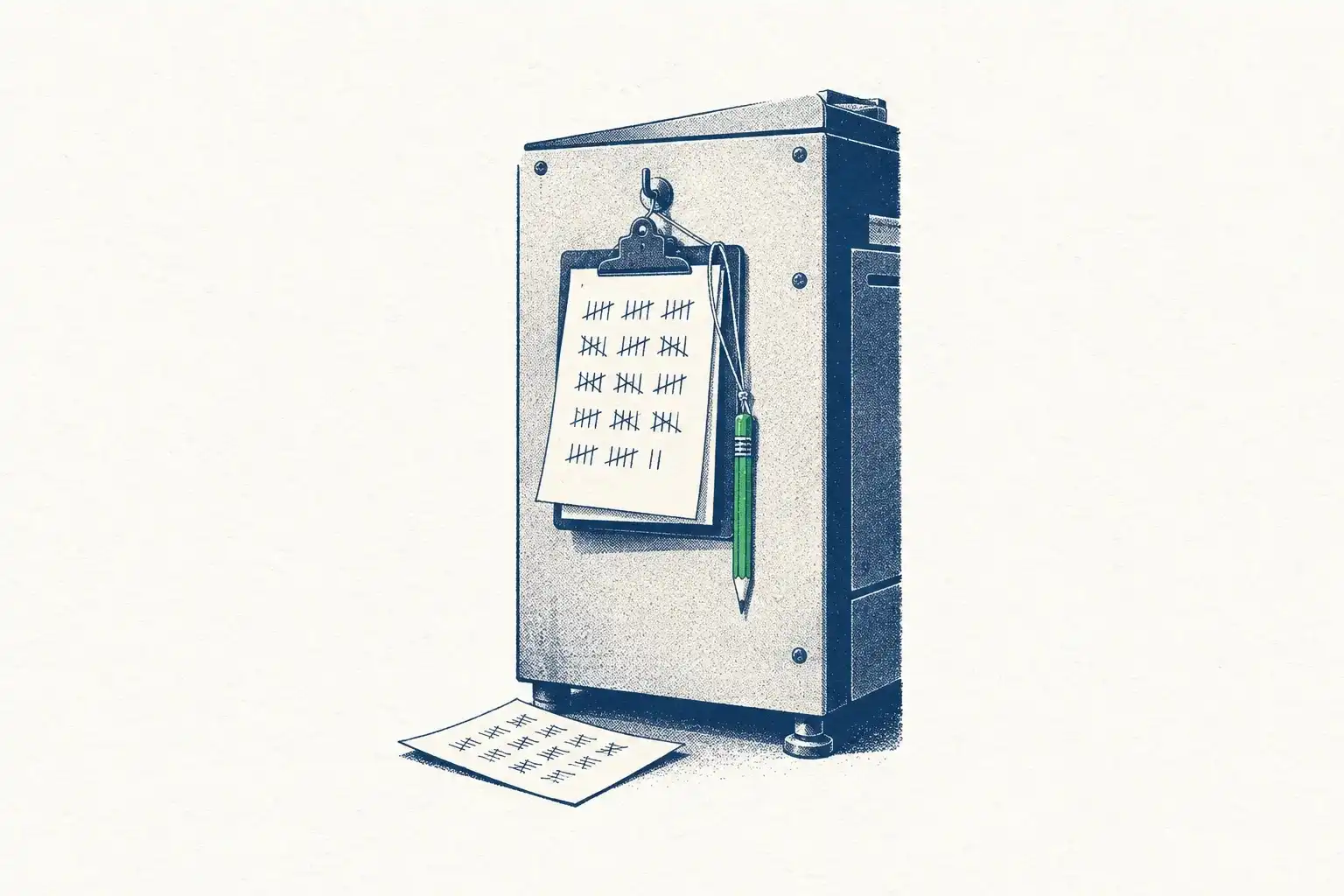
Which feedback is missing or implausible?
- Starting point
- Order feedback deviates from the machine data. Planning and costing work with uncertain figures.
- Insight
- Particular workstations and order types systematically produce incomplete or late reports.
- Action
- Feedback at the workstation is simplified, implausible reports stand out immediately, and reconciliation with the ERP runs alongside in the system.
- Benefit
- Less rework, robust order data, more reliable costing.
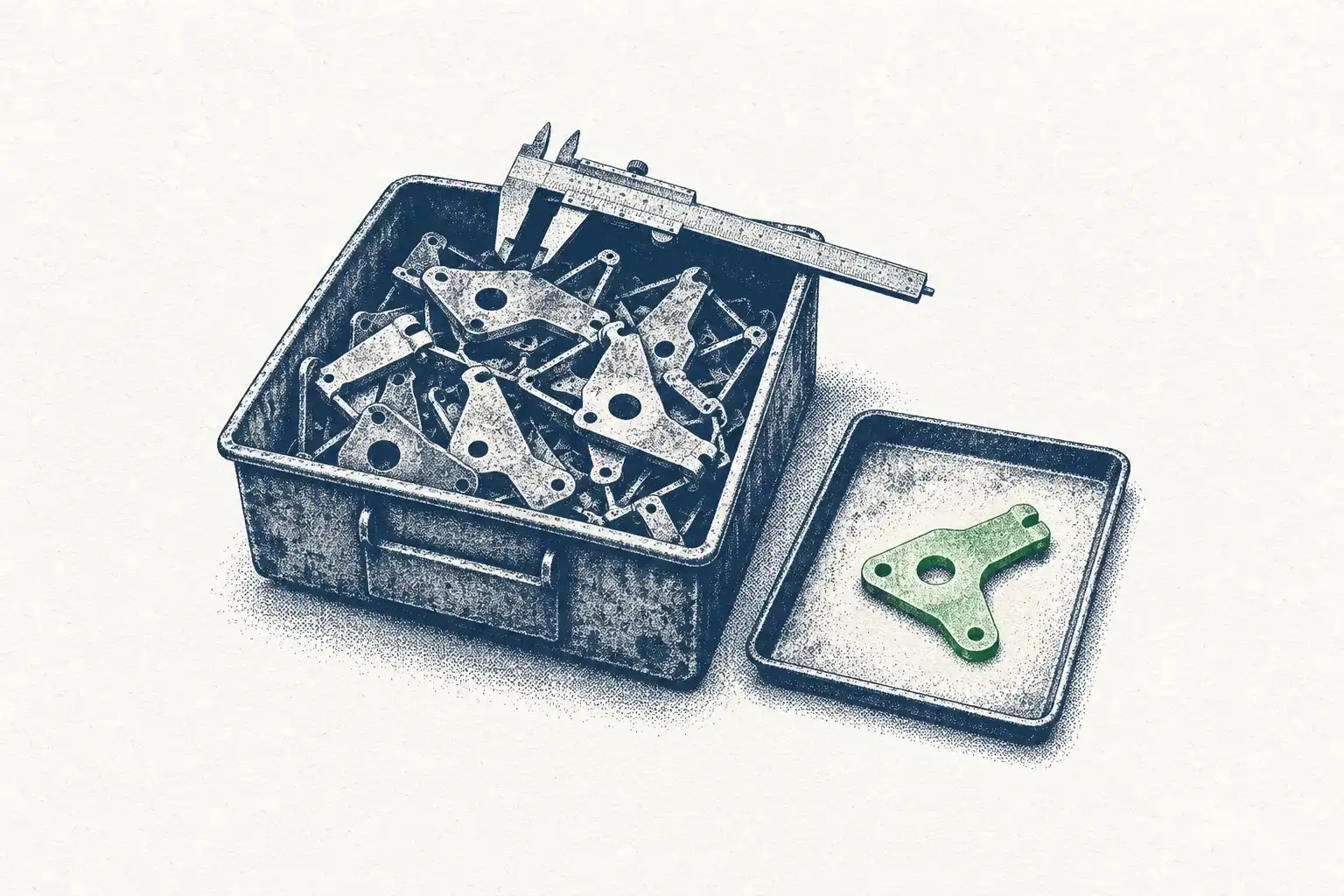
Which deviations occur under which conditions?
- Starting point
- Scrap fluctuates, and the causes are sought case by case.
- Insight
- Deviations cluster around particular combinations of tool, material and process parameters.
- Action
- The team addresses the critical combinations, adjusts process windows and documents what it has learnt.
- Benefit
- Causes narrowed down faster, less scrap, knowledge retained.
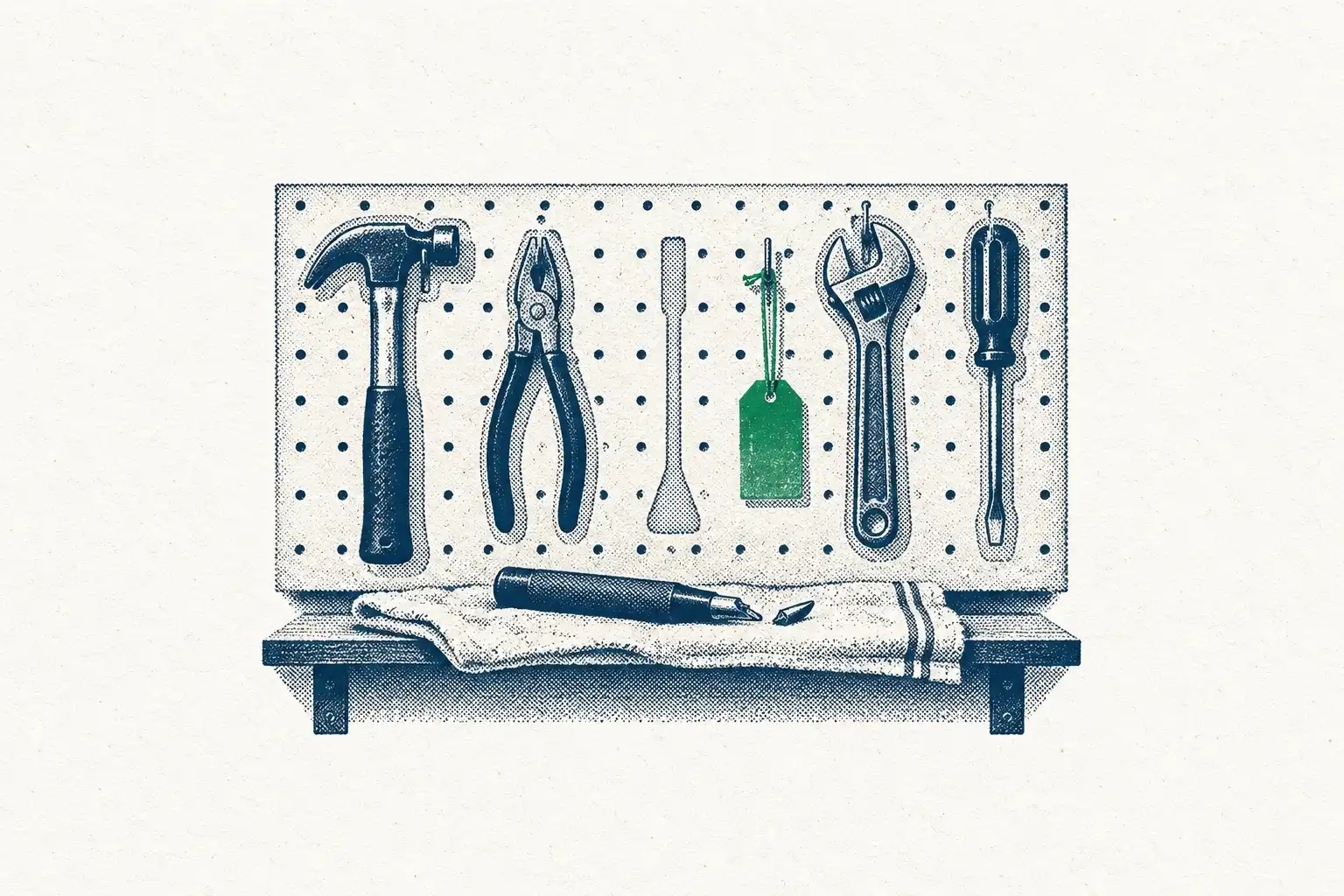
Which history explains failures or recurring defects?
- Starting point
- Tool failures come as a surprise. Knowledge about the tools sits with individual people.
- Insight
- The tool history shows patterns: failures follow particular usage counts, maintenance intervals or tryout results.
- Action
- Maintenance and tool use follow the history, and decisions on repair or replacement can be justified.
- Benefit
- Fewer recurring defects, longer tool life, knowledge retained.
Which improvements are open – and what has worked?
- Starting point
- Improvements are agreed in meetings and managed in lists. Whether they work is rarely checked.
- Insight
- Many actions remain open, others do not work as expected, and nobody notices.
- Action
- Every action in IDA gets an owner, a due date, a status and a linked metric.
- Benefit
- Clear responsibilities, visible progress, continuous improvement as routine.
Where it pays to start in your production
The examples show different starting points. The shared approach: understand causes, implement targeted actions and check their impact. Where that makes the biggest difference for you depends on your production.
Stoppages keep coming back.
So far their causes are only patchily recorded.
Go to use caseDowntime & OEEFeedback contradicts the machine run.
Planning and actual production do not match.
Go to use caseShop floor data & ERPScrap arises under similar conditions.
So far the connections remain unclear.
Go to use caseQuality & processTool knowledge is scattered.
Usage, maintenance and failures are hard to look at together.
Go to use caseTooling & maintenance
Which of these situations do you recognise? In the discovery call we look at your equipment, order structure and data situation and work out together which use case is the right place to start.
Request a discovery call